



Severe malaria is a blood borne parasitic disease that afflicts more than 200 million individuals annually. Even in the best clinical settings, case fatality rates remain high since anti-malarial drugs are directed against the parasite but do not reduce life-threatening (brain) inflammation. CBR member Dr. Bob Hancock, Director of the Centre for Microbial Diseases and […]
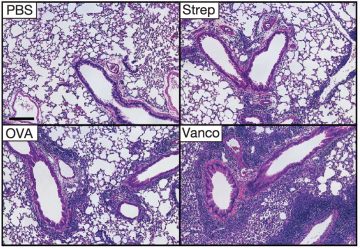
Asthma is a common, increasingly frequent, chronic inflammatory disease of the airways that affects over 100 million people worldwide. It is associated with shortness of breath, coughing and wheezing, and necessitates the use of puffers by millions of children. This treatment is required to prevent considerable short- and long-term morbidity and mortality. Although the cause […]
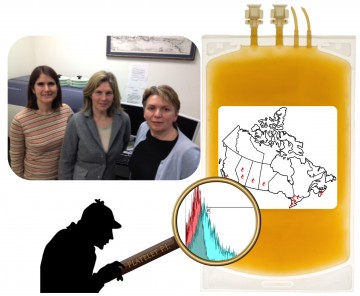
Canadian Blood Services (CBS) investigators Elena Levin, Craig Jenkins, Brankica Culibrk and Katherine Serrano in the lab of Dr. Dana Devine, and Maria Gyongyossy-Issa from the Dept. of Pathology and Laboratory Medicine have been studying the quality of platelets, a key blood transfusion component that is essential to prevent bleeding. These CBR scientists designed a […]
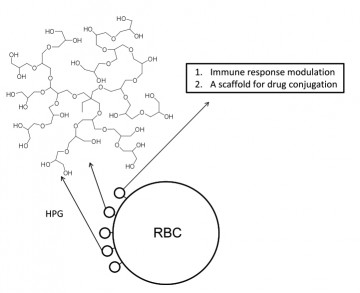
Red blood cell (RBC) transfusions are vital for the treatment of a number of acute and chronic medical problems. Identification of donor RBCs that match the prospective recipient who requires transfusion is occasionally difficult, placing the patient at risk if a match is not available. At present no method is available for the generation of […]
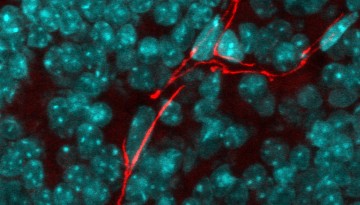
Several hypotheses have been proposed to explain the changes in the brain that are associated with Alzheimer’s Disease (AD). A UBC team led by CBR investigator Dr. Wilf Jefferies has performed studies in mice and humans that challenge current dogma and reveal new ideas as to the underlying cause of the brain dysfunction. They show […]
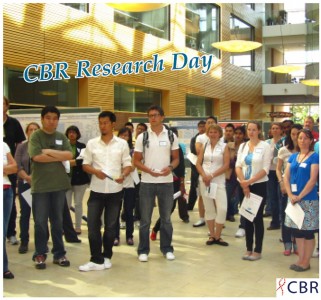
On August 18, 2011, over 120 students, staff and faculty from the CBR gathered at the Life Sciences Centre at UBC for a stimulating afternoon of science and socializing. All the reserach themes and core facilities of the CBR were well represented from the most fundamental labs to the clinic. Summer students and their ever-supportive […]
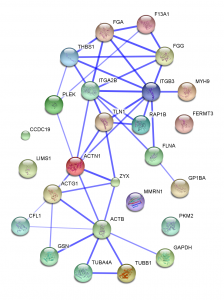
Mapping protein-protein interactions is critical for deciphering complex cellular functions. For this reason, high performance mass spectrometers have been developed, allowing investigators to analyze hundreds of thousands of peptides from thousands of proteins. There is, however, a stumbling block: The ability to generate data in proteomic experiments far outstrips the ability to analyze it. As […]
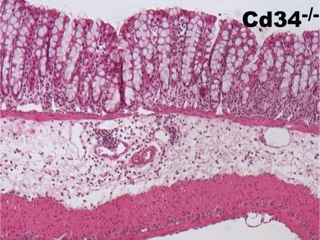
Ulcerative colitis is a chronic inflammatory bowel disease that is increasing in prevalence, and is characterized by weight loss, diarrhea, bleeding and fever. The disorder features invasion of the intestinal wall with the white blood cells, distortion of normal glanduloar structures, and multiple abscesses. Although it is known that altered regulation of the immune response […]
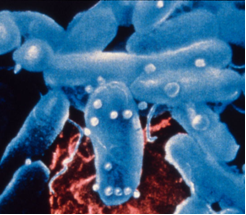
Infectious diseases are responsible for a third of all deaths on the planet, and current therapeutifc approaches are under severe threat due to antibiotic resistance. The laboratory of CBR member Bob Hancock is engaged in research to address this growing problem. By using systems biology approaches to understand the mechanisms of action of antimicrobial petides […]
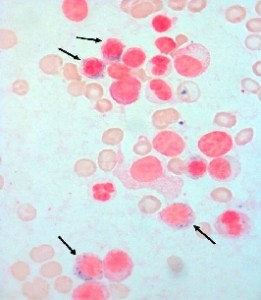
Myelodysplastic syndromes and primary myelofibrosis are bone marrow failure disorders with a heightened leukemia risk. Affected patients require chronic red blood cell transfusions which leads to iron overload. Excess iron can cause damage to and faillure of the heart and live, and diabetes. In a series of publications, CBR investigators Heather Leitch and Linda Vickars […]